KPV: getting a fragile peptide to the bowel
The delivery work is unusually revealing. A small peptide can require a great deal around it before an experiment produces the hoped-for result.
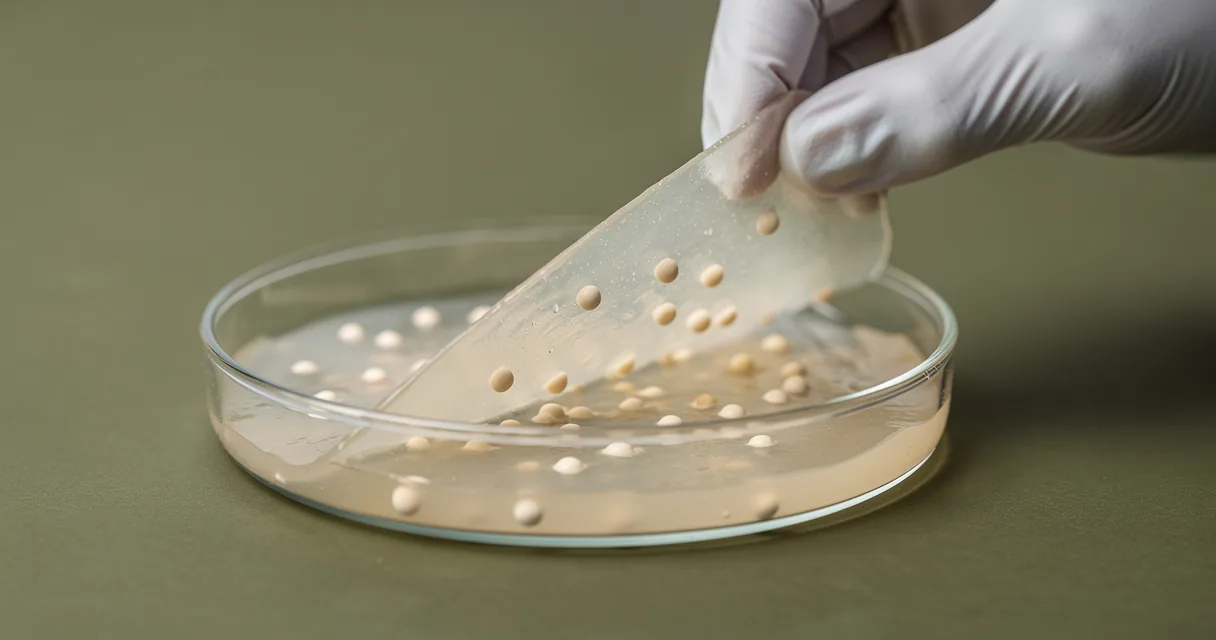
The gel around the peptide
In the oral KPV delivery study, researchers placed peptide-carrying nanoparticles in a chitosan/alginate hydrogel. The particles were functionalised with hyaluronic acid to target inflamed tissue. In mice with chemically induced colitis, this preparation reduced mucosal damage and inflammation more effectively than non-targeted formulations.
The material around the peptide is doing consequential work here. Free KPV is vulnerable to breakdown, so preserving it and delivering it to the inflamed colon are experimental problems in their own right. I admire the protective materials; an account that discards them while retaining the result deserves suspicion.
These were mice with experimentally induced bowel injury. Human treatment benefit remains untested in the studies collected here.
KPV uptake through PepT1
KPV stands for lysine, proline and valine, the three amino acids at the end of alpha-melanocyte-stimulating hormone. The review of alpha-MSH and related tripeptides describes KPV’s anti-inflammatory activity without the skin-darkening action of the full hormone.
In intestinal epithelial cells grown in dishes, PepT1, a protein that transports small peptides into cells, brought KPV inside. KPV reduced inflammatory signalling and the release of pro-inflammatory substances. Oral KPV also reduced colitis severity in mice in that study.
A separate mouse colitis experiment reported earlier recovery and fewer inflammatory cells in the colon. Activity persisted in mice deficient in the MC1 receptor. That is a specific clue about how KPV can act, alongside a clear boundary around the species tested.
Adding another active drug
The combination nanodrug experiment assembled KPV with an immunosuppressant in particles targeting PepT1. In acute and chronic chemically induced mouse colitis, the combination improved outcomes, restored proteins that help hold the bowel lining together, and reduced inflammatory cytokines more than either agent alone.
That result makes the combined preparation interesting. Crediting its full effect to KPV would erase both the other drug and the formulation. KPV’s combination preparation earns my enthusiasm: active ingredients, particles and all.
Safety and bowel-relief claims
There are no published human treatment trials of KPV in this record. Its effects on symptoms, long-term safety and pharmacokinetics in people remain unestablished. It lacks FDA approval and approved drug or dietary-supplement status.
Claims about gut relief, skin or general inflammation circulate as anecdotal accounts, not clinical evidence. Reliable rates of benefits or adverse effects cannot be extracted from them. Product contents and freedom from contamination are additional uncertainties.
I’d take a successful human bowel trial seriously. Until that exists, the interesting work is the transport biology and the formulations tested in animals. The MOTS-c article presents a different delivery gap: a human blood measurement alongside treatment experiments conducted in mice.